Maintenance That Prevents Mid-Season Breakdowns
Food Truck & Trailer Maintenance in Minneapolis for mobile food operators managing high-use equipment and utility systems
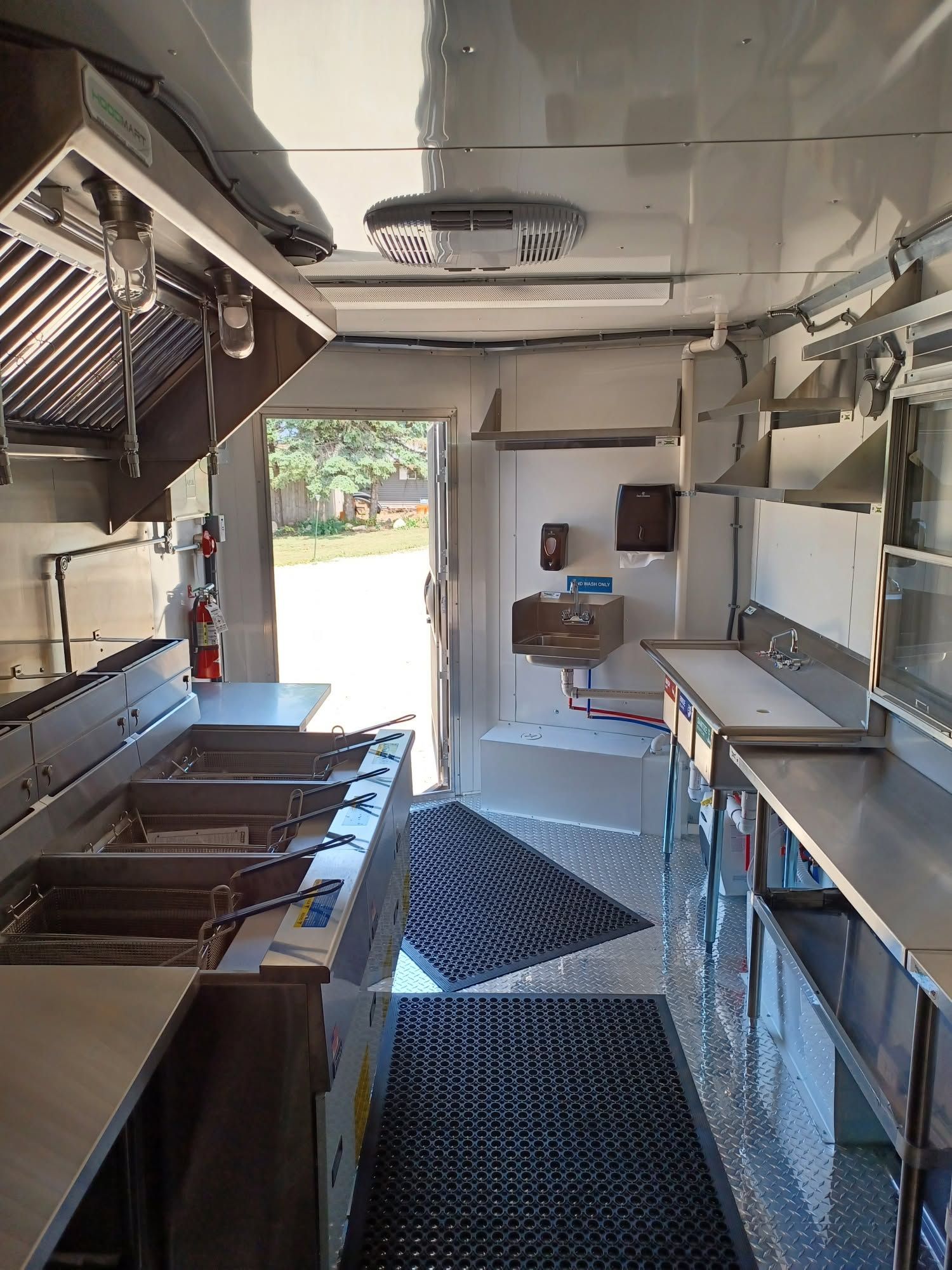
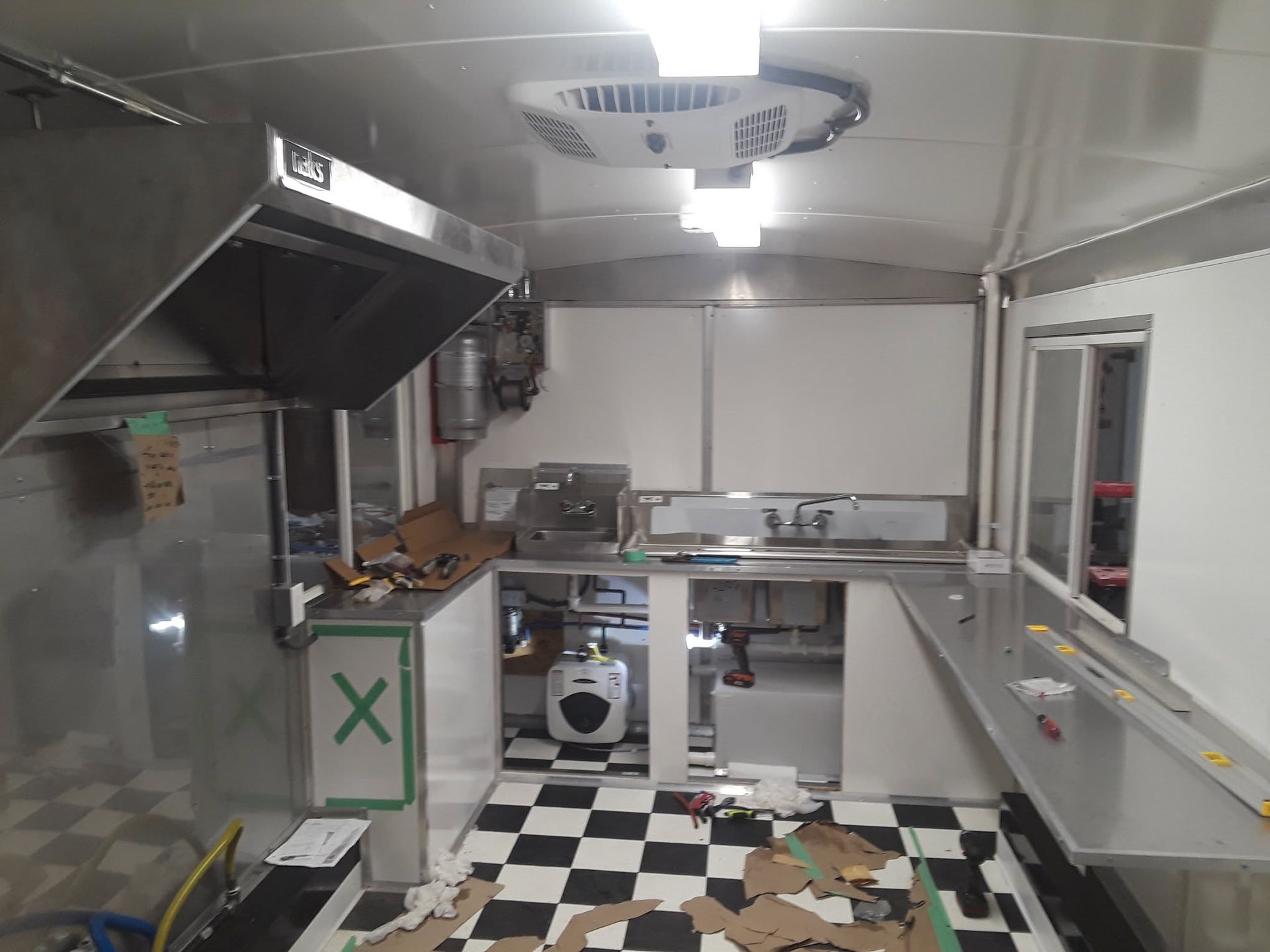
Mobile kitchens generate heat, moisture, and grease in confined spaces while traveling over uneven roads, which causes wear patterns that don't occur in stationary restaurant kitchens. Routine preventative maintenance programs address the mechanical and electrical systems that fail predictably when neglected—generators that stop producing stable voltage, ventilation fans that seize from grease buildup, and water pumps that lose pressure due to clogged filters. Kitchen equipment inspections and servicing identify worn components before they fail during peak service hours. Electrical and plumbing system maintenance ensures connections stay secure despite constant vibration, and generator and ventilation system maintenance keeps power delivery and air circulation functioning reliably. Toner De's Concessions & Manufacturing keeps mobile kitchens operating safely year-round through scheduled maintenance that catches problems before they cause equipment failure or health code violations.
Maintenance schedules are based on actual usage hours and the type of cooking equipment installed, not arbitrary calendar intervals. Trucks running fryers and griddles daily require more frequent ventilation system cleaning than units serving cold prep items, and generators powering high-amperage equipment need more regular servicing than those supporting lighter loads.
Arrange an evaluation to assess your equipment maintenance requirements.
Why Regular Servicing Works for Mobile Operations
Preventative maintenance involves inspecting components that wear predictably, such as water pump seals that degrade from constant cycling, electrical connections that loosen from vibration, and grease trap baffles that clog from daily use. Servicing these systems before failure prevents the cascade effect where one failed component damages others—a clogged ventilation system that causes motors to overheat, or a failing voltage regulator that burns out refrigeration compressors.
After maintenance is completed, equipment starts reliably at the beginning of each service day, generators maintain consistent voltage output under full load, and ventilation systems exhaust cooking smoke without laboring or producing unusual noise. Water pressure stays adequate throughout a shift even when multiple fixtures run simultaneously, and refrigeration units maintain temperature without excessive compressor cycling.
Maintenance records document system condition and servicing history, which health inspectors review during permits and which buyers examine if you sell the truck. Documented maintenance also identifies patterns that indicate deeper issues, such as a generator requiring frequent carburetor cleaning because it's burning contaminated fuel or running at the wrong load level.
What Operators Usually Ask About Maintenance
Mobile food businesses in Minneapolis often question maintenance frequency, what gets inspected, and how to identify problems before they cause breakdowns during scheduled events.
How often should food truck systems be serviced?
Maintenance frequency depends on daily operating hours, equipment type, and cooking methods, with high-use trucks requiring quarterly servicing and lighter operations managing with semi-annual maintenance.
What's included in a kitchen equipment inspection?
Inspections check gas connections for leaks, electrical terminals for corrosion, burner performance for even heating, and safety shutoffs for proper function.
Why do generators fail more often in food trucks than in other applications?
Generators in mobile kitchens run at variable loads, experience frequent starts and stops, and operate in environments with temperature swings and vibration, all of which accelerate wear on voltage regulators and fuel system components.
How does Minneapolis weather affect maintenance needs?
Cold winter storage requires winterizing water systems to prevent freeze damage, and spring startup involves checking for corrosion or seal degradation that occurred during months of inactivity.
What maintenance can I handle myself between professional servicing?
Regular grease trap cleaning, air filter replacement, and visual inspection of gas connections and electrical terminals catch obvious problems, though system testing and component adjustment require professional tools and knowledge.
Toner De's Concessions & Manufacturing provides maintenance programs that address the specific wear patterns mobile kitchens experience. Schedule servicing to establish a baseline system condition and prevent mid-season failures.