Utility Systems That Support Daily Operation
Generator, Electrical & Plumbing Installation in Minneapolis for mobile food operations requiring reliable power and water systems under continuous use
Electrical and plumbing failures during service cost you revenue and damage your reputation, so utility systems need to be sized correctly and installed to withstand the vibration and movement that come with towing and daily setup. A generator that can't handle startup surge from refrigeration compressors and cooking equipment will trip offline during peak hours, and undersized wiring creates voltage drop that shortens equipment life or causes breakers to trip under normal load. Toner De's Concessions & Manufacturing installs commercial generators, complete electrical systems, fresh and wastewater plumbing, and LP gas lines built for the demands of daily food service operation.
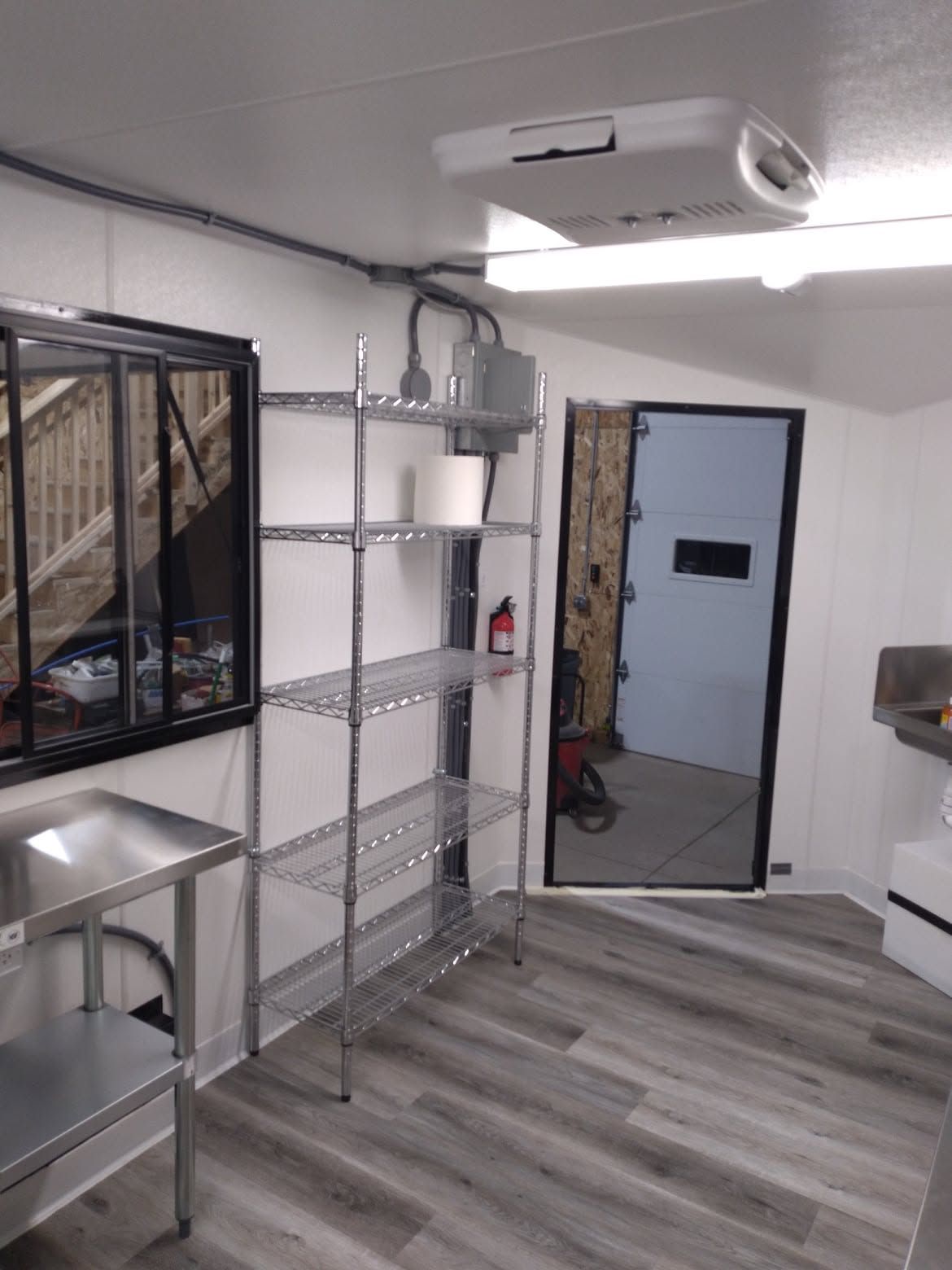
Generator sizing starts with calculating the combined wattage of all equipment, then adding startup surge capacity for motors and compressors that draw two to three times their running wattage when they kick on. Electrical wiring is run through conduit or protective channels, with wire gauge selected based on circuit length and load to prevent voltage drop. Breaker panels are mounted in accessible locations with circuits clearly labeled so you can troubleshoot issues without an electrician on-site.
Request a utility system assessment to determine generator size, electrical panel configuration, and plumbing capacity based on your equipment list and service volume.
What Reliable Utility Installation Accomplishes
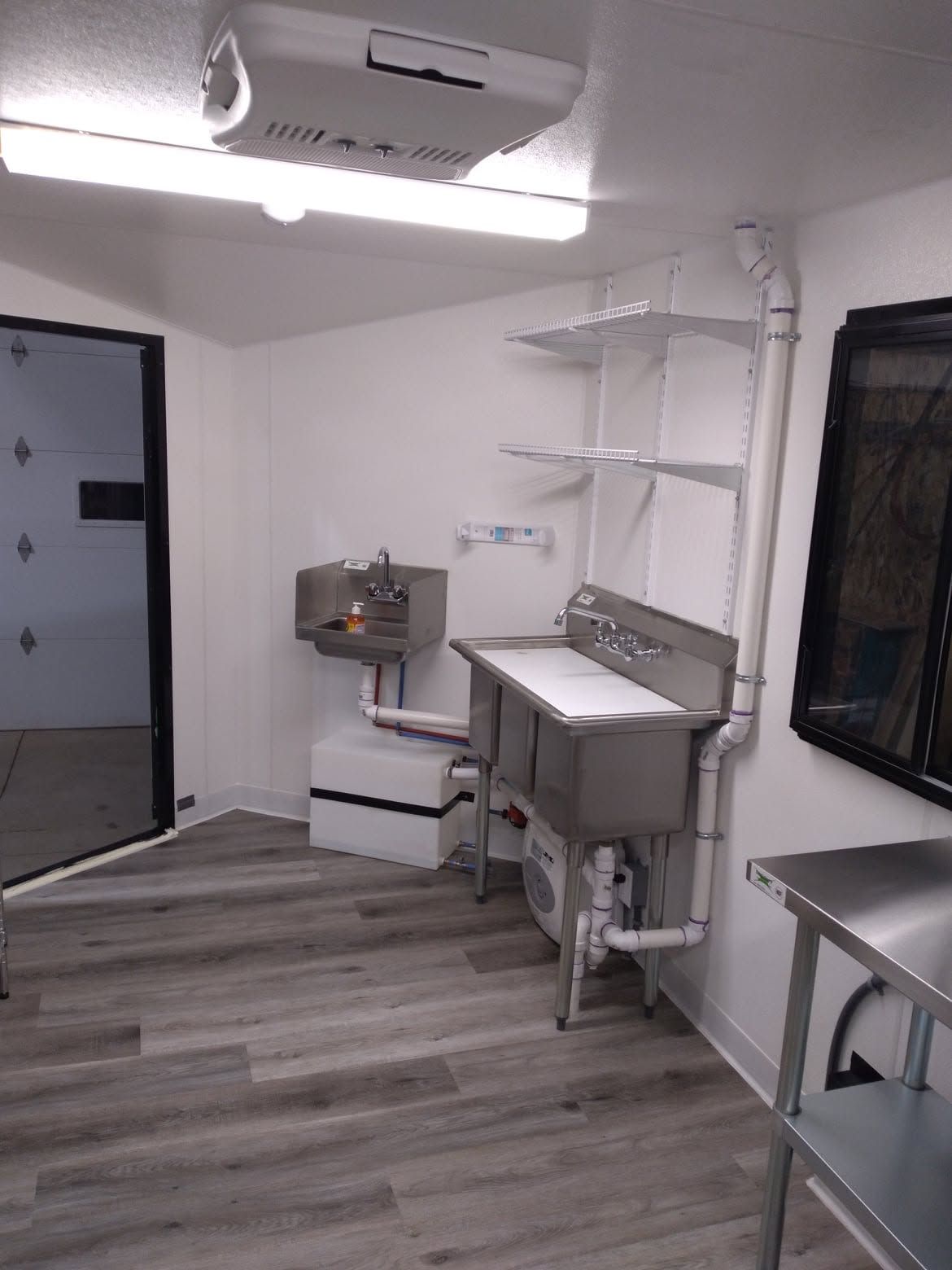
Proper installation means the generator starts on the first pull, runs continuously through a full service shift without overheating, and powers all equipment simultaneously without tripping breakers. Fresh water plumbing includes a pump sized to maintain pressure when multiple fixtures run at once—handwashing sinks, prep sinks, and equipment that requires water input. Wastewater lines are sloped and secured so they drain completely without leaving standing water that creates odors or clogs, and holding tanks are vented to prevent vacuum lock that slows drainage.
After installation, the electrical system operates without flickering lights or equipment that cycles on and off due to insufficient power, and all outlets and hardwired equipment function as expected under full load. Plumbing fixtures deliver consistent water pressure, drains empty quickly, and LP gas lines hold pressure without leaks at the connections. The generator is mounted on vibration-isolating hardware so engine noise and vibration don't transfer into the kitchen workspace.
LP gas installation includes running lines from the tank location to each piece of gas-powered equipment, with shutoff valves at each appliance and a main shutoff accessible from outside the unit. All gas connections are pressure-tested and checked with leak detection solution before the system is put into service, and regulators are sized to maintain consistent pressure even when all burners and pilots are operating simultaneously.
What Property Owners Usually Ask
Operators in Minneapolis often have questions about generator capacity, electrical panel configuration, and how plumbing systems handle the freeze-thaw cycle in cold climates.
What size generator does a food truck need?
Generator size depends on total equipment wattage plus startup surge—most trucks running fryers, griddles, refrigeration, and ventilation fans require between 8,000 and 15,000 watts, with larger units needing up to 20,000 watts for heavy-duty equipment.
How is electrical wiring protected from vibration and movement?
Wiring runs through flexible conduit or protective channels fastened to the frame at regular intervals, and connections use strain reliefs to prevent wires from pulling loose at junction boxes or equipment terminals.
When do fresh water systems need freeze protection?
In Minneapolis and similar climates, water lines and tanks require heat tape and insulation if the unit operates during cold weather, and all plumbing should be fully drained if the unit sits unused during freezing temperatures.
Why does wire gauge matter for mobile kitchens?
Undersized wire causes voltage drop, which makes motors run hot and shortens equipment lifespan, and the longer the circuit run from the breaker panel to the equipment, the larger the wire gauge needs to be to maintain proper voltage.
What maintenance do generators require between services?
Generators need oil changes based on run hours, air filter replacement, and spark plug inspection, and fuel stabilizer should be added if the unit sits idle for more than a few weeks to prevent carburetor clogging.
Toner De's Concessions & Manufacturing handles all generator, electrical, and plumbing installation with systems built for the specific equipment you're running. Set up a system planning session to review your utility requirements and how the installation supports your operational schedule.