Complete Builds From Concept Through Delivery
Turnkey Food Truck Solutions in Minneapolis for entrepreneurs launching new mobile food businesses with inspection-ready custom kitchens
Starting a mobile food business requires coordinating design, fabrication, equipment sourcing, utility installation, and health department approvals, and managing all those moving parts without construction or food service experience leads to delays, budget overruns, and units that fail inspection. Toner De's Concessions & Manufacturing provides turnkey food truck solutions that handle every phase of the project—from initial layout design through final equipment installation and inspection approval. The process is managed by one team that understands how menu requirements translate into kitchen design, what equipment works reliably under high-volume use, and what local health departments require before issuing permits.
The turnkey process begins with a consultation to review your menu, service model, and target market, which determines the kitchen layout, equipment selection, and exterior configuration. Design plans are submitted for health department review before fabrication starts, so any code issues get resolved during the planning stage rather than after the build is complete. Equipment procurement, interior fabrication, plumbing and electrical installation, and exterior customization all happen in sequence, with inspections and approvals coordinated at each required stage.
Schedule a project kickoff consultation to discuss your business plan and how the mobile kitchen design supports your menu and service approach.
How Turnkey Project Management Prevents Delays
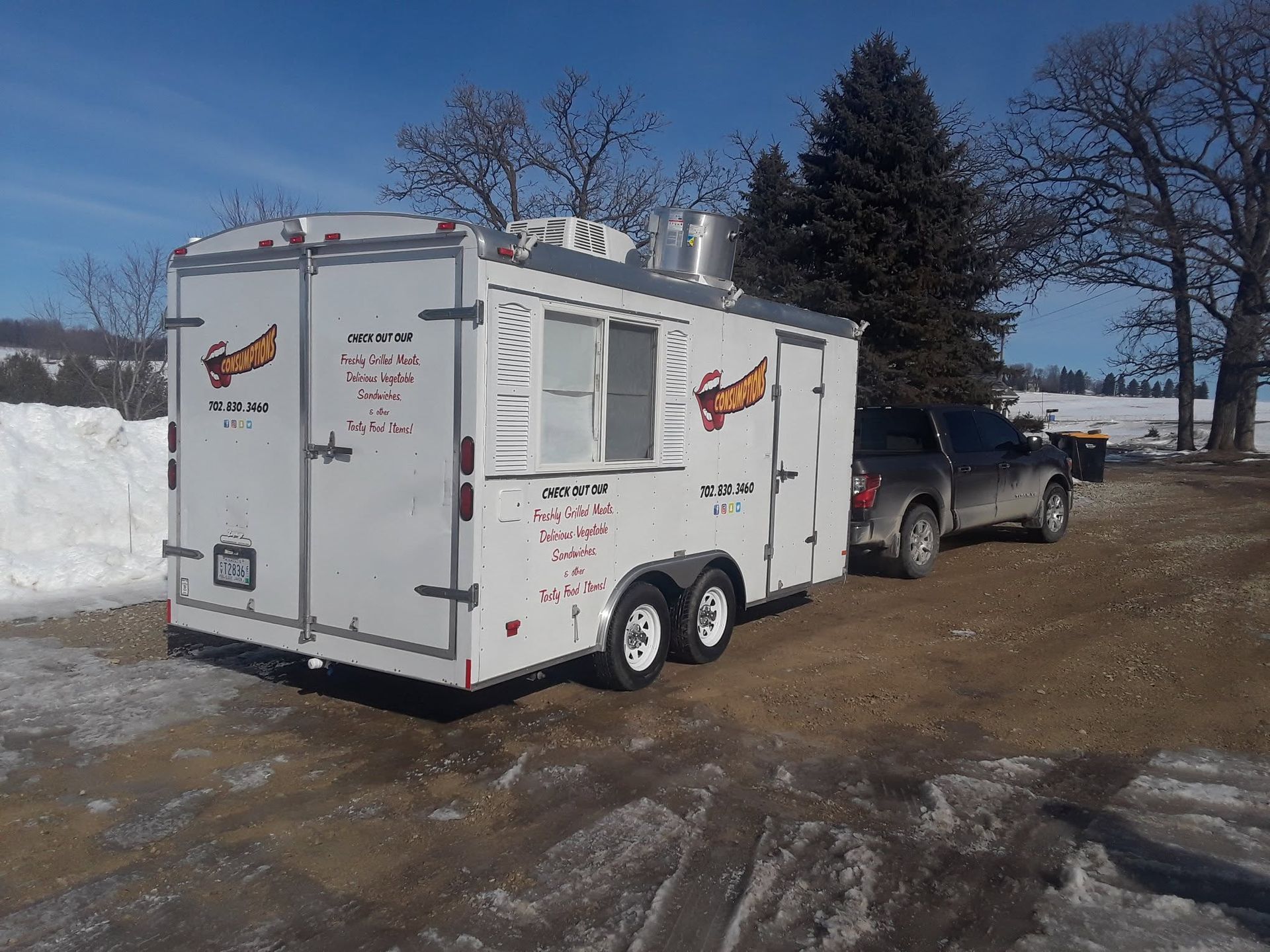
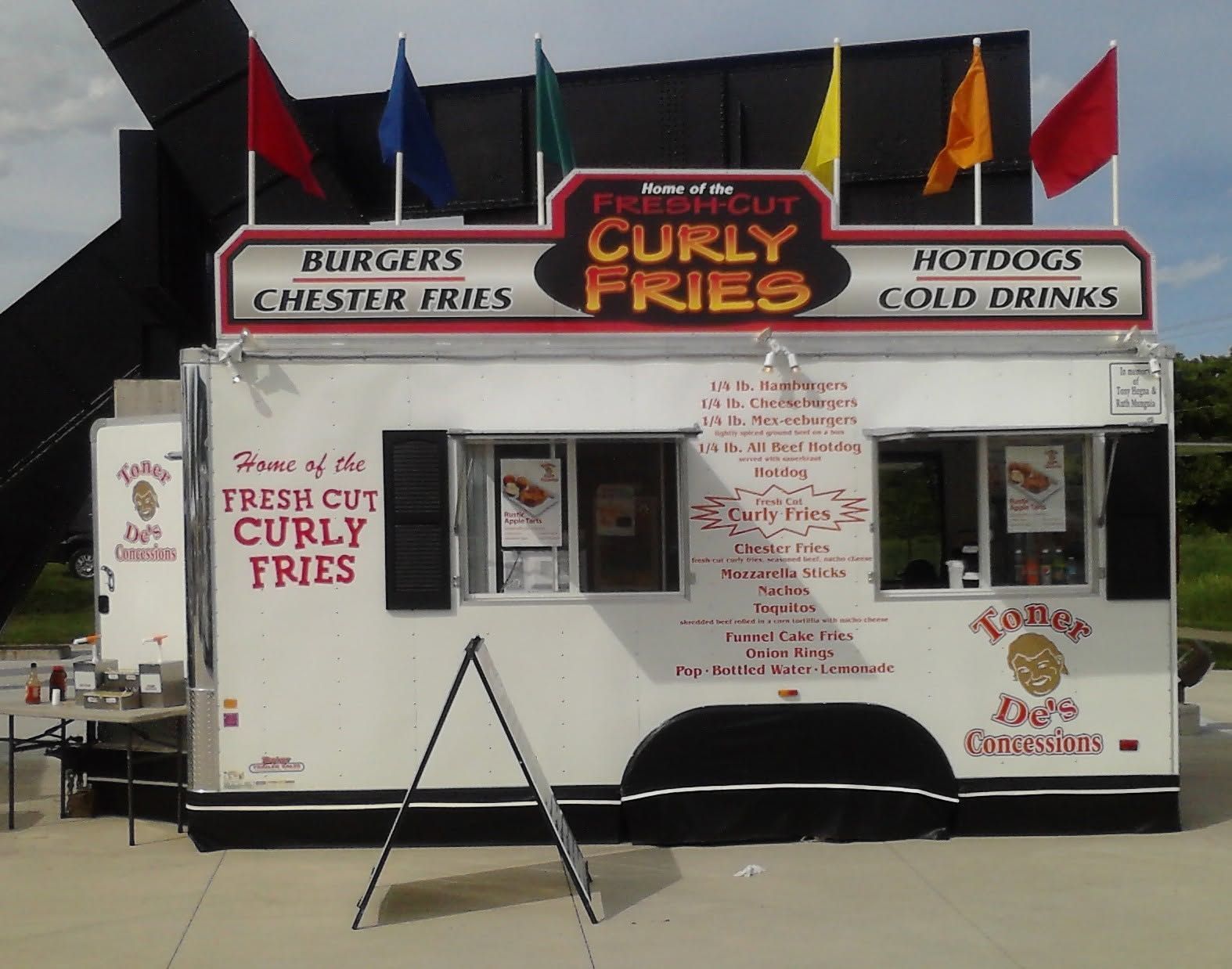
Managing the entire build through one contractor means the kitchen layout is designed with the equipment dimensions already confirmed, electrical circuits are sized for the actual appliances being installed, and plumbing rough-in matches the fixture locations in the final design. There's no waiting for separate contractors to coordinate schedules or fixing mistakes that happen when one trade doesn't know what another is planning. Equipment arrives when the installation stage is ready, not weeks early where it sits and gets damaged or weeks late where it holds up the build schedule.
Once the build is complete, you receive a fully equipped mobile kitchen that has passed health department inspection, with all utilities tested and operational. The generator runs all equipment under full load, plumbing fixtures deliver proper flow and drainage, and cooking equipment is installed and fired up to verify correct operation. You also receive documentation required for insurance and permitting—proof of fire suppression system installation, electrical inspection sign-off, and health department approval.
Turnkey solutions also include guidance on equipment operation and maintenance—how to winterize plumbing in cold climates, what generator maintenance intervals to follow, and how to troubleshoot common issues that happen during daily operation. This avoids service calls for problems you can handle yourself and keeps the unit running during your busiest seasons.
Questions Before Starting Your Project
New mobile food operators in Minneapolis working with Toner De's Concessions & Manufacturing typically ask about project timelines, cost factors, and what decisions need to happen early in the design process.
What decisions need to be made before design work starts?
You need a defined menu, an understanding of your service model—whether you're doing high-volume quick service or slower plated items—and a rough idea of your target locations, since those factors determine kitchen size, equipment selection, and utility capacity.
How long does a complete food truck build take?
Typical builds take eight to twelve weeks from design approval through final inspection, depending on equipment lead times, the complexity of the interior layout, and the health department's inspection schedule.
When does payment happen during a turnkey project?
Payment structures vary, but most projects require a deposit to begin design and order long-lead equipment, progress payments at major milestones like framing completion and equipment installation, and final payment upon delivery and inspection approval.
Why does equipment selection affect the overall build timeline?
Some commercial cooking equipment has lead times of several weeks, and the interior layout can't be finalized until equipment dimensions are confirmed, so early equipment decisions prevent delays later in the build.
What support is provided after the unit is delivered?
Post-delivery support includes operational walkthroughs covering equipment use and maintenance, troubleshooting guidance for common issues, and coordination with equipment manufacturers if warranty service is needed.
Toner De's Concessions & Manufacturing manages your entire project from the first design meeting through final health department approval and delivery. Contact Toner De's to start planning your mobile food business and review how the build process aligns with your launch timeline.