Builds That Pass Inspection the First Time
Health Department & Inspection Compliance in Minneapolis for mobile food operators navigating local health code requirements and approval processes
Health department approval depends on meeting specific construction and equipment standards that vary by county and municipality, and building to those codes from the start prevents costly rework after a failed inspection. Equipment placement, ventilation capacity, handwashing station configuration, and surface materials all get reviewed during the plan check and on-site inspection. Toner De's Concessions & Manufacturing builds mobile kitchens to local and state health department codes, coordinating with inspectors throughout the process so the unit is ready for approval when construction finishes.
The compliance process begins with reviewing your local jurisdiction's requirements—some counties require three-compartment sinks even for limited menus, while others accept two-compartment setups if you're only serving prepackaged items or simple prep. Fire suppression systems are required over cooking equipment that produces grease-laden vapors, with the suppression hood and system sized according to the BTU output of your fryers, griddles, or char-broilers. Ventilation fans must move enough air to maintain negative pressure inside the hood, pulling smoke and steam out instead of letting it spill into the kitchen.
Schedule a compliance consultation to review your jurisdiction's health code and what your menu requires in terms of equipment and construction standards.
Why Code Compliance Gets Built In Early
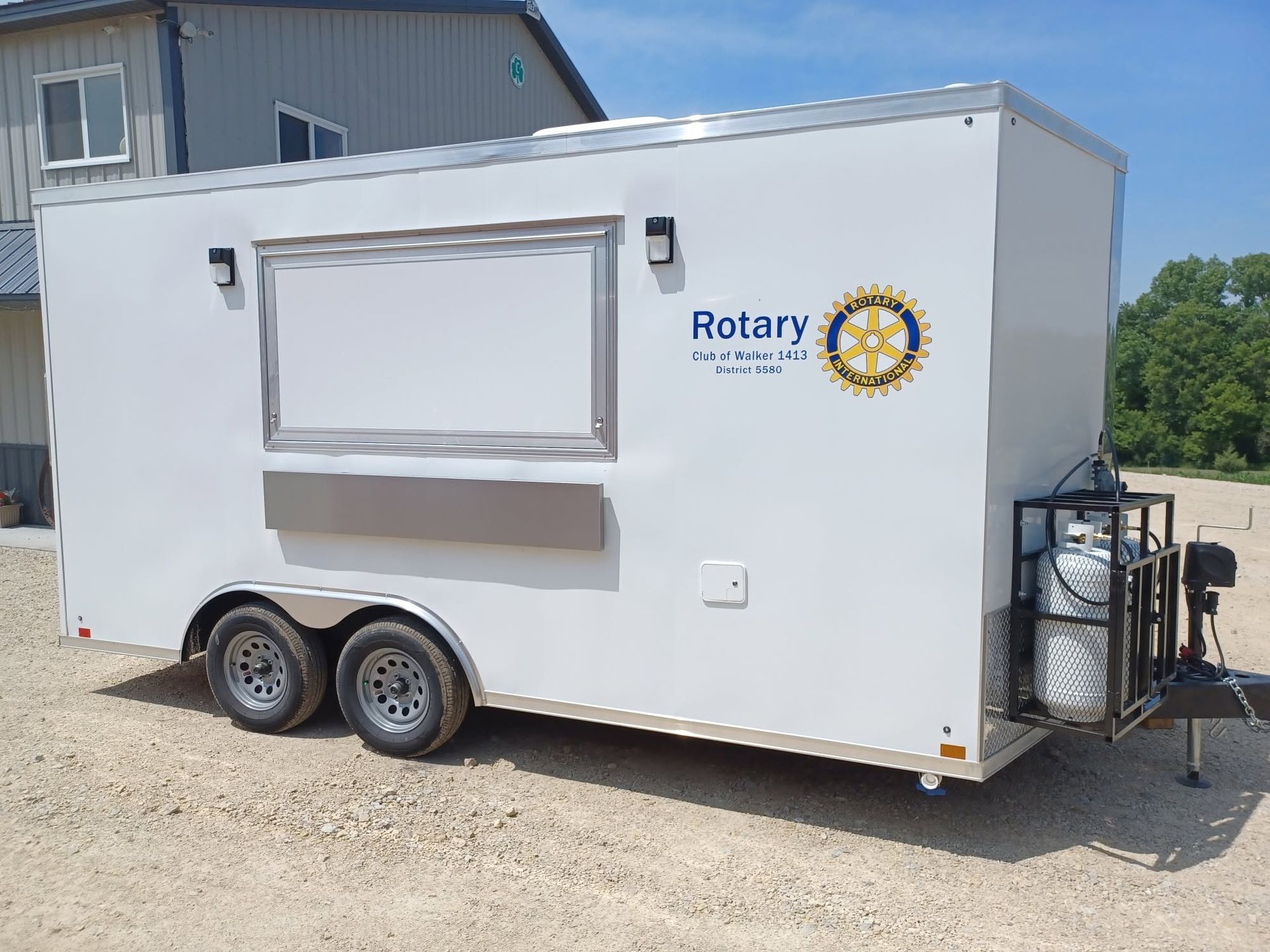
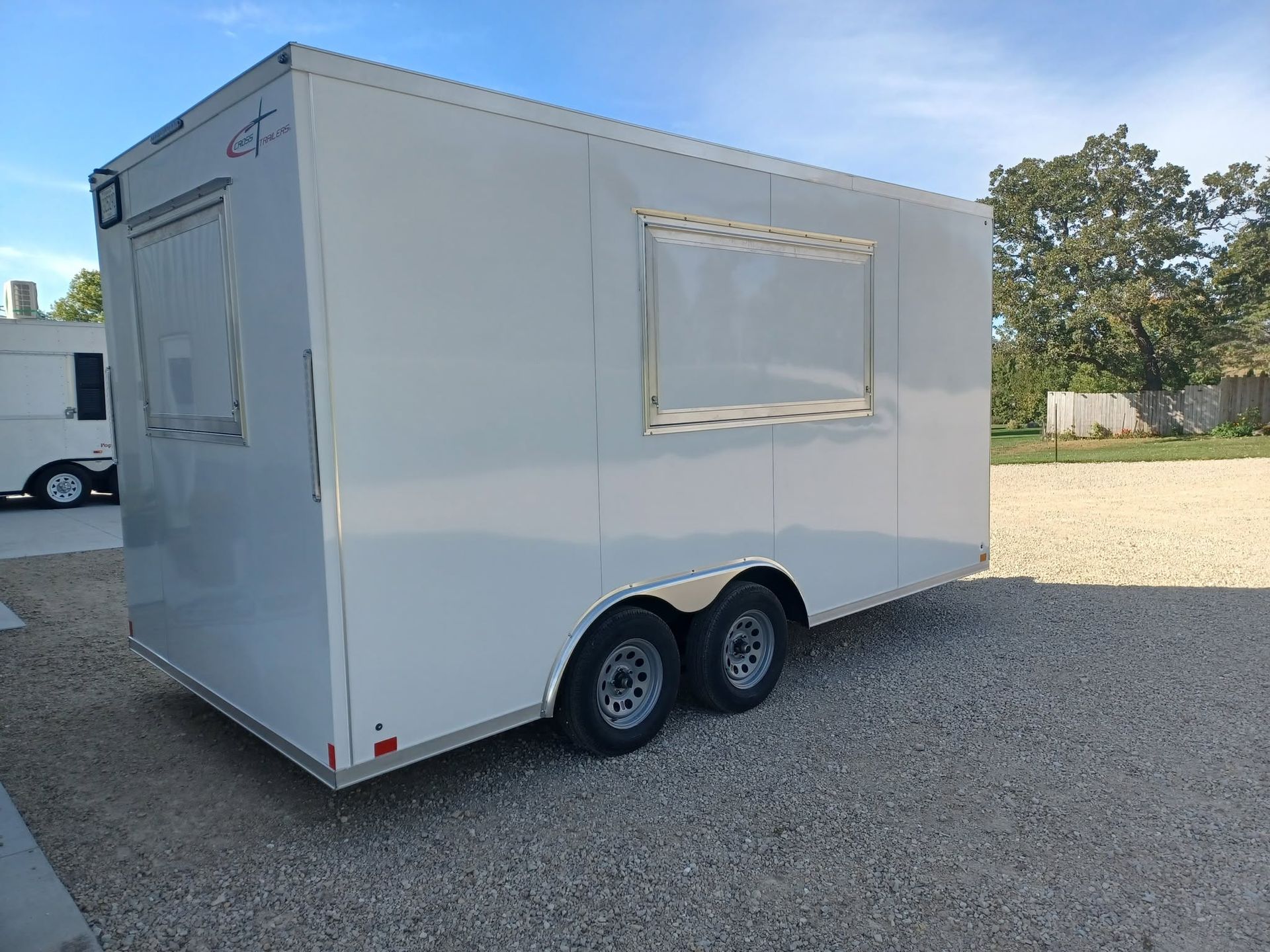
Building to code from the beginning means the inspector sees handwashing sinks positioned within the required distance from prep areas, wastewater tanks sized to hold at least 15 percent more than freshwater capacity, and all food contact surfaces made from approved non-absorbent materials. Walls and ceilings in the cooking area are covered with smooth, cleanable panels—no exposed wood or unfinished surfaces where grease can accumulate. Flooring is sealed at all edges and corners so water and cleaning chemicals don't seep underneath.
Once the build is complete and approved, you'll have documentation showing that the fire suppression system was installed by a licensed contractor, the plumbing meets backflow prevention requirements, and all electrical work was completed to code. The inspection sticker gets posted, and you're cleared to operate without delays or surprise compliance issues that shut down service during your first week.
Compliance also includes ADA considerations if you're operating in locations where accessibility standards apply—service windows at an appropriate height, transaction counters that don't exceed maximum reach ranges, and ramps or lifts if the unit will be stationed in spaces requiring accessible entry. Not every mobile unit needs full ADA compliance, but the jurisdictions that do require it will flag these issues during plan review.
Answers to Frequent Compliance Questions
Mobile food businesses working in Minneapolis and surrounding regions often need clarity on what the health department actually inspects and when coordination happens.
What does the health department inspect in a mobile kitchen?
Inspectors check that all food contact surfaces are non-porous, sinks meet size and configuration requirements, ventilation is adequate for the cooking equipment, and wastewater is contained in approved tanks with no direct discharge.
How does fire suppression get verified during inspection?
The suppression system installer provides a tag showing the installation date and system specifications, and the inspector verifies that the nozzles cover the required area over all grease-producing equipment.
When should you contact the health department during a build?
Contact them before construction starts to confirm plan requirements, then schedule the on-site inspection once all equipment is installed and operational so the inspector can test sinks, verify ventilation airflow, and check that everything functions as required.
Why do handwashing sink placement rules matter?
Health codes require handwashing sinks within a certain number of steps from food prep areas so staff can wash hands without leaving the workspace, and the sink must be dedicated to handwashing only, not used for food prep or dishwashing.
What happens if a mobile unit fails the initial inspection?
The inspector documents deficiencies, you correct the issues, and a re-inspection gets scheduled—common failures include undersized wastewater tanks, missing backflow preventers, or ventilation systems that don't pull enough air volume.
Toner De's Concessions & Manufacturing coordinates directly with health and safety inspectors so the build meets all requirements before the final walkthrough. Reach out to discuss your local health department's standards and how the build timeline aligns with the inspection and approval process.